Hair loss can be a distressing experience, and for many, a hair transplant offers a promising solution to regain confidence and restore a youthful appearance. However, undergoing a hair transplant is a significant decision that requires careful consideration. To ensure you’re making the right choice, it’s essential to ask your surgeon the right questions before proceeding with the procedure. Here’s a guide to
- Are You Board-Certified and Experienced in Hair Transplant Procedures?
This is one of the most critical questions to ask. You want to ensure that your surgeon is qualified, board-certified, and has extensive experience in performing hair transplants. Ask about their credentials, training, and how long they’ve been performing hair restoration surgeries. Additionally, inquire about their specialization—do they focus solely on hair transplants, or do they perform other types of surgeries as well?
- What Hair Transplant Techniques Do You Offer?
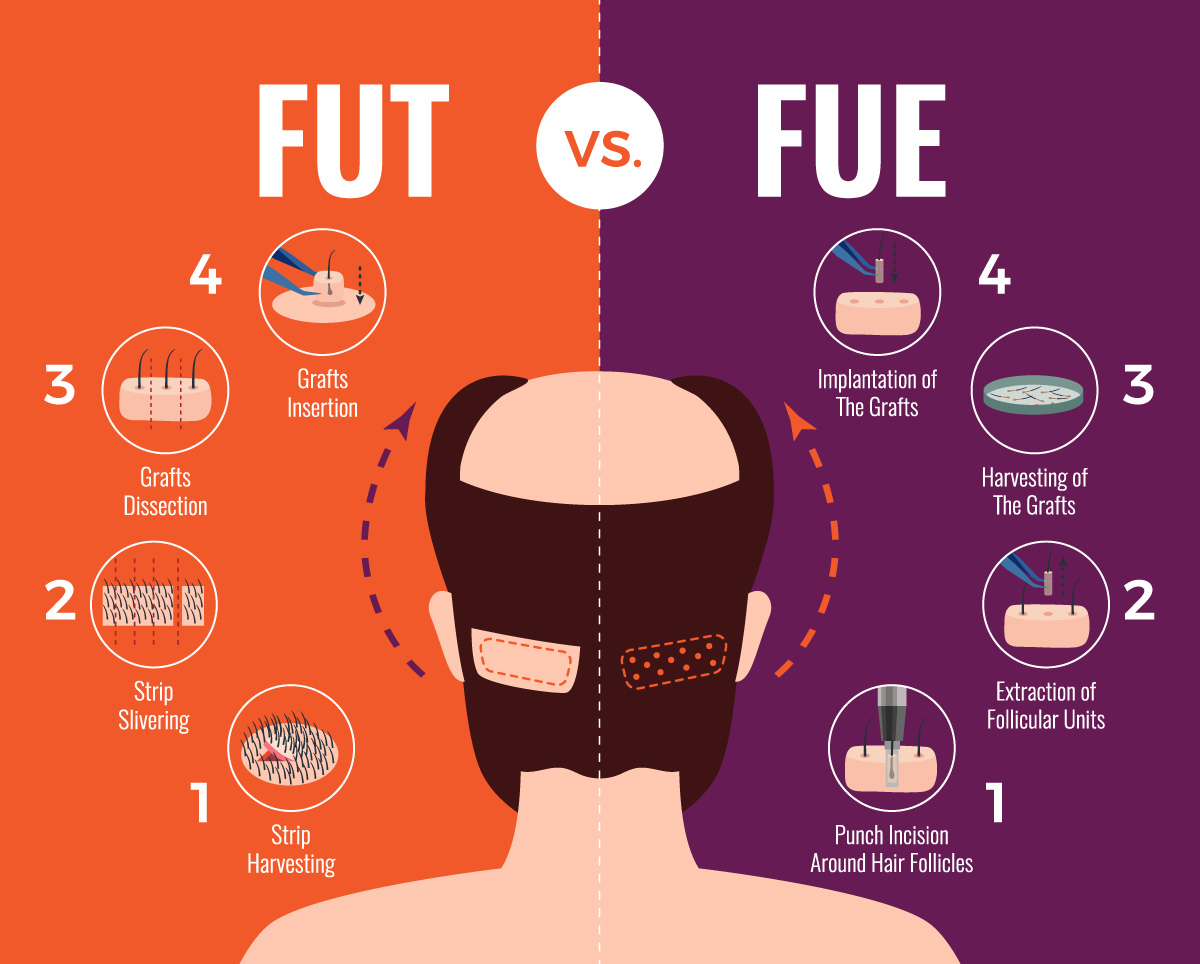
There are two primary techniques for hair transplantation: Follicular Unit Transplantation (FUT) and Follicular Unit Extraction (FUE). Each method has its own benefits and drawbacks. FUT involves removing a strip of scalp to harvest hair follicles, while FUE extracts individual follicles directly from the donor area. Ask the surgeon which technique they recommend for your specific case and why. Understanding the differences will help you choose the method that aligns with your goals and expectations.
- Am I a Good Candidate for a Hair Transplant?
Not everyone is an ideal candidate for a hair transplant. Factors such as the extent of your hair loss, the quality of your donor hair, your age, and your overall health can influence whether the procedure will be successful. A reputable surgeon will assess your condition during a consultation and provide an honest evaluation of whether you’re a suitable candidate.

- What Results Can I Realistically Expect?
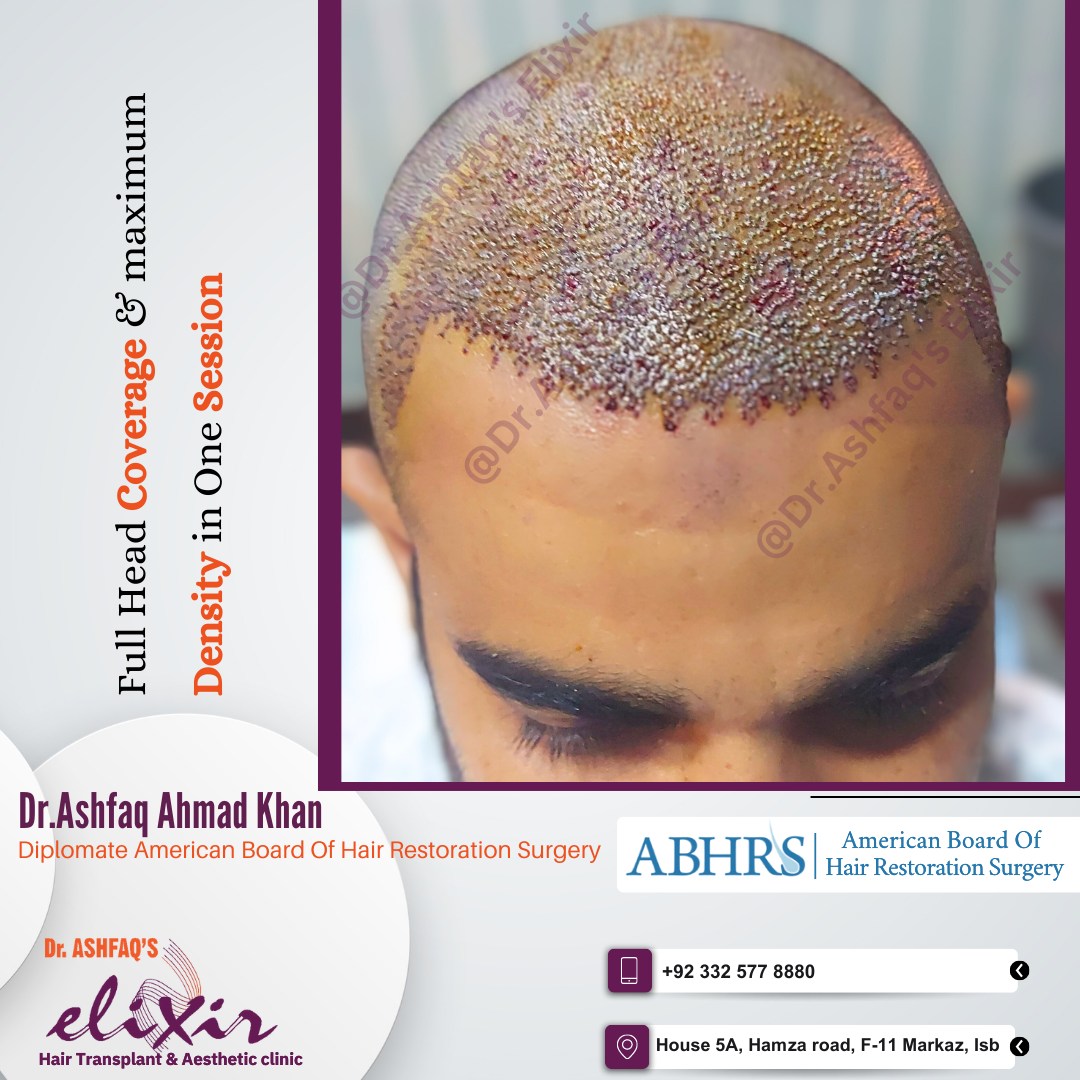
It’s essential to have realistic expectations about the outcome of your hair transplant. Ask your surgeon about the likely results based on your current hair loss pattern and donor hair availability. Request to see before-and-after photos of previous patients with similar hair loss patterns to get an idea of what you can expect.
- How Many Procedures Will I Need?
In some cases, one session may not be enough to achieve the desired results. Depending on the extent of your hair loss and the density you want, you may require multiple sessions. Be sure to discuss this with your surgeon so you can plan accordingly in terms of time, finances, and recovery.
- What Are the Risks and Potential Complications?
Like any surgical procedure, hair transplants come with potential risks and complications. These may include infection, scarring, or an unnatural appearance if not performed correctly. Ask about these risks and how the surgeon minimizes them during the procedure. A skilled surgeon will be transparent about potential complications and how they handle them.
- What Does Recovery Look Like?
Understanding the recovery process is crucial for proper planning. Ask about post-operative care, how long it will take for you to resume normal activities, and any restrictions you should follow during recovery. Knowing what to expect can help you prepare for time off work or other commitments.
- How Long Will It Take to See Results?
Hair transplant results don’t appear overnight. It’s important to understand that it may take several months for new hair growth to become noticeable and up to a year for full results to be visible. Discuss the timeline with your surgeon so you have realistic expectations about when you’ll see the final outcome.
- What Is the Cost of the Procedure?
Hair transplants can be expensive, and costs vary depending on factors such as the technique used, the number of grafts needed, and the clinic’s location. Ask for a detailed breakdown of costs, including any additional fees for follow-up visits or medications. It’s also worth inquiring about financing options if needed.
- Can I See Testimonials or Speak to Previous Patients?
Hearing from other patients who have undergone hair transplant in Islamabad with the same surgeon can provide valuable insight into their experience and satisfaction with the results. Ask if you can read testimonials or even speak to previous patients to gain confidence in your decision.
- What If I’m Not Satisfied with the Results?
While most patients are happy with their results when they choose an experienced surgeon, it’s still important to discuss what happens if you’re not satisfied. Does the clinic offer revision procedures or touch-ups? Understanding their policy on this can give you peace of mind.
Conclusion:
A hair transplant is a life-changing procedure that requires careful planning and thorough research. By asking these important questions during your consultation, you’ll be better equipped to make an informed decision and choose a qualified surgeon who can deliver the results you desire. Remember, taking the time to educate yourself now will lead to greater satisfaction with your hair restoration journey in the long run!